What happens if a lone worker collapses and cannot call for help?
If a worker collapses and cannot reach a phone, the main risk is that nobody knows there is an emergency. A lone worker alarm can give that person a way to raise help without making a call, and it can also detect certain signs of a man down event, such as no movement after a period of time or a suspected impact. The useful result is not just an alert. It is a clear path from an incident to a response, even when the worker cannot speak, tap a screen or reach a device.
In a normal workplace, a collapse is often noticed because someone is nearby. In lone work, that human signal is missing. The worker may be in a shed, a vehicle, a remote part of a site, or a building after hours. A phone may be in a pocket, on a desk, or dropped out of reach. Even a person who is conscious may be unable to use it because of injury, shock, smoke, confined space conditions, or a sudden medical event. That is why a no motion alarm is designed around a simple problem: silence is not always a sign that everything is fine.
Why a phone is not enough
A phone can be part of the response plan, but it depends on the worker being able to pick it up, unlock it, find the right contact and make a call. Those steps can fail at exactly the moment they matter. A fall can leave someone unable to stand. A medical event can affect speech or coordination. A worker may be pinned, trapped, or disoriented. The person may know they need help but be physically unable to complete the usual call.
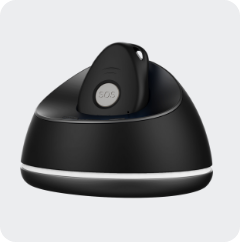
Wearable lone worker alarms reduce that dependence on fine motor action. A dedicated SOS control can be easier to use than a phone menu. Some systems also support two-way voice, so a response contact can listen and speak once a connection is made. GPS location can help narrow down where the worker is, especially on large or remote sites. These features serve different moments. The SOS button is deliberate, while detection features are there for the times when deliberate action is not possible.
What no motion detection actually does
No motion detection looks for a change in normal activity. In simple terms, a device that normally senses movement may treat a long period of stillness as a possible problem. An inactivity timer can prompt the worker before it raises a more serious alert. That prompt gives the person a chance to confirm they are safe, for example if they are sitting still for a legitimate reason. If there is no response and still no movement, the device may move to a higher level alert.

This distinction matters. A worker sitting in a vehicle doing paperwork is not the same as a worker who has fallen silently. Good settings and work practices help separate the two. The timer needs to fit the task. A short timer may create nuisance alerts and train people to ignore them. A long timer may delay help. The right balance depends on how the work is done, how often movement is expected, and what a safe check-in looks like for that role.
Impact detection can add another signal. A sudden hard movement may suggest a fall or collision, but it does not prove someone needs help. A dropped tool or a rough ride can create a false alarm. That is why impact information is often most useful when it is considered alongside no motion detection, worker response and the context of the task. The aim is to create enough evidence to act, without assuming every bump is an emergency.
How automatic alerts after a collapse help
Automatic alerts after a collapse can shorten the gap between the incident and someone taking action. The alert may tell an emergency contact that a worker may have fallen or stopped moving. It may include location information, depending on the system and the environment. If two-way voice is available, the contact may be able to listen for sounds around the worker or speak to them if they can hear. This can help the contact decide whether to call emergency services, send a trained colleague, or follow the workplace response plan.
The alert is only one part of the chain. A notification sent to an unattended inbox is not much use. A workplace needs to know who receives an alert, what they do with it, and what happens if they miss it. Alert escalation can help here by moving the notification to another contact or level if the first person does not respond. That reduces the chance that a single missed message stops the response.
Worker response also matters. If a device asks the worker to confirm they are safe, the response should be quick and simple. If the person is hurt, confused or in pain, they may not manage several steps. A system with a clear SOS action, predictable prompts and audible feedback is easier to use under stress. Familiarity counts too. Regular checks as part of normal work help people remember what the device does and what a prompt sounds like.
What happens after the alert is raised
Once an alert is raised, the practical goal is to turn limited information into a safe response. The contact may try to speak with the worker, check the last known location, and consider what the worker was doing at the time. If there is no response, the workplace plan should make it clear when emergency services are called. The plan should also account for site access. A worker may be behind a locked gate, inside a plant room, or on uneven ground, and the responder may need directions or permission to enter safely.
GPS location can be valuable, but it is not a magic fix. Signals can be weaker indoors, underground, in dense buildings, or in remote terrain. Location may show where the device was last able to update rather than the exact spot of the collapse. That is still useful, but it should be treated as a lead, not a guarantee. A risk assessment can identify where location accuracy may be poor and where extra controls are needed, such as check-in points, buddy systems or site-specific procedures.
Two-way voice can also have limits. A worker who is unconscious will not answer. A worker in a noisy area may not hear the speaker. A device may be under a body or separated from the person after a fall. These limits do not make the technology pointless. They show why layers work better than a single method. SOS, no motion detection, impact detection, location and escalation each cover a different weakness.
Setting up a system that fits the work
A no motion alarm should be chosen around the actual job, not around a generic idea of safety. Start with the work pattern. Does the worker stand, walk, drive, climb, sit for long periods, or move between short tasks? Long still periods may be normal in some roles and unusual in others. The detection settings should reflect that pattern. So should the response process. A worker in a remote location may need a different escalation path from someone in a busy depot.
Training should be brief, practical and repeated often enough to stay familiar. People need to know how to raise an SOS, how to answer a prompt, how to wear the device so movement is detected, and what to do if it is not working. They also need to know that ignoring prompts or leaving the device behind creates a gap in the safety net. The device should be part of the work routine, not an item that stays in a locker.
Automatic alerts after a collapse are most useful when the rest of the plan is ready. Contacts need to know the difference between a possible false alarm and a confirmed emergency. They need authority to act quickly. They should not have to search for a procedure while someone may be injured. Clear contact arrangements, escalation rules and emergency service thresholds make the alert easier to handle.
Common mistakes to avoid
One mistake is treating no motion detection as proof of a collapse. It is a prompt for investigation and action, not a diagnosis. Another is setting timers so tightly that routine stillness creates repeated alerts. False alarms waste attention and can lead to complacency. The opposite mistake is setting timers so loosely that the alert arrives far later than useful help.

A third mistake is assuming that every worker will be able to press an SOS button. Some emergencies happen too fast. Some people are knocked unconscious. Some lose the ability to move their hands. That is why passive detection and active SOS should be viewed as complementary. A fourth mistake is failing to review alerts and near misses. If prompts are often ignored, if coverage is poor in certain areas, or if contacts struggle to respond, the plan needs adjustment.
When a worker collapses and cannot reach a phone, the difference is made by whether the incident is noticed, located and acted on. Wearable lone worker alarms built around SOS, GPS location, two-way voice, man down and fall detection alerts are intended to support that chain. They work best when paired with sensible settings, a clear emergency contact process, and a risk assessment that reflects the real conditions of the job.